
A Cozy Guide to Keeping Your Stitches Fresh and Beautiful
We all know how much time, yarn, and heart goes into making a crochet project. The thought of washing that special blanket or sweater can feel a bit scary at first.
With just a few gentle techniques, you can keep your handmade treasures looking brand new for years.
Know Your Fiber First
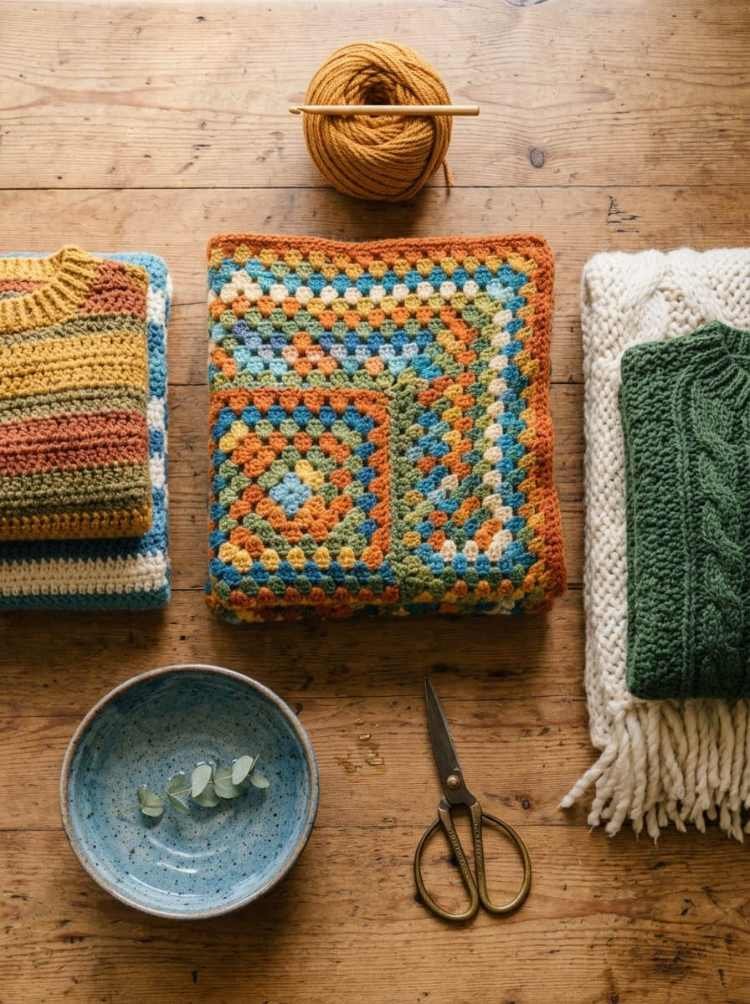
Before you turn on the water tap, take a moment to look at your yarn label. Different fibers like wool, cotton, and acrylic need very different types of care. If your yarn is a blend, always treat the whole project like its most delicate fiber.
The Magic of Hand Washing
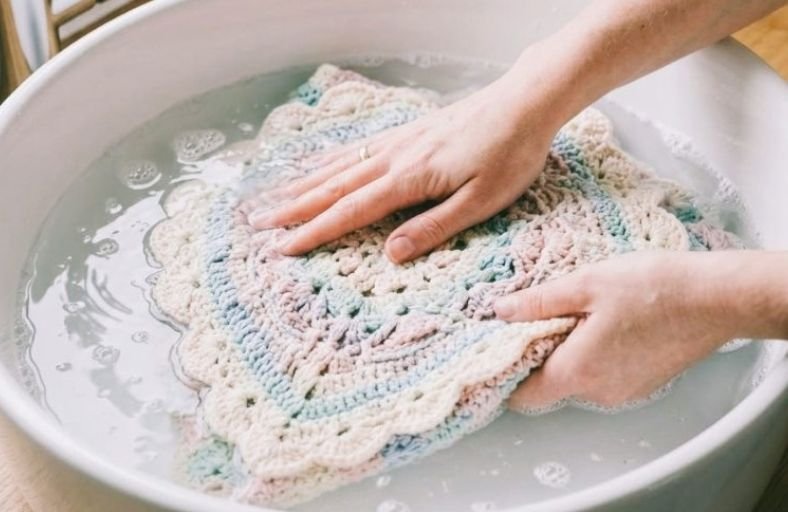
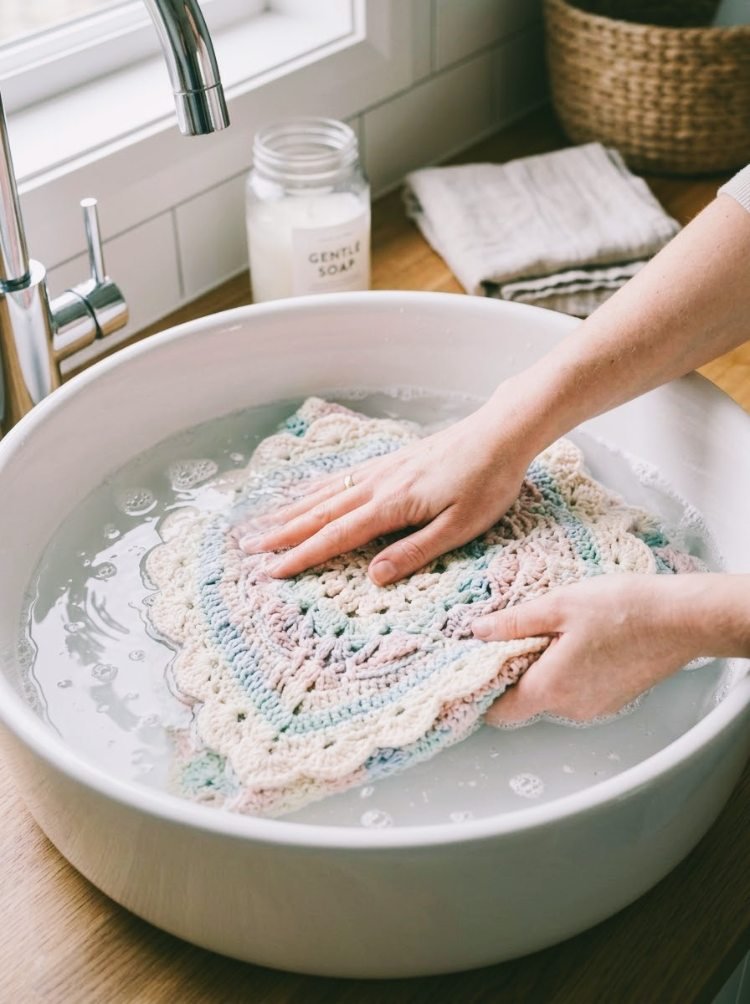
Hand washing is always the safest and most gentle choice for any handmade piece. Simply fill a clean basin or sink with cool water and stir in a small splash of gentle cleanser.
Submerge your project gently with flat hands, letting the soapy water soak through the stitches without any rubbing or twisting.
Rinse-free fiber washes like Eucalan and Soak make hand washing so much easier. Eucalan includes natural lanolin to help keep your wool pieces soft and springy. Soak is completely lanolin-free, making it wonderful for cotton, acrylics, and sensitive skin.
Can You Use the Washing Machine?
If your project is made from sturdy acrylic or everyday cotton, you can usually use the washing machine.
Always tuck your crochet piece into a zippered mesh laundry bag first to prevent snagging. Set your machine to a gentle or delicate cycle with cold water, and choose the lowest spin speed.
Taming the Stretch in Superwash Wool
Superwash wool is wonderful to crochet with, but it has a funny habit of stretching out when wet.
If your superwash garment suddenly looks twice as big after washing, please do not panic! Putting it in a low-heat dryer inside a mesh bag for a few minutes will help the stitches bounce right back to size.
Gentle Care for Cute Amigurumi
Amigurumi toys and plushies need special attention so their inner stuffing stays fluffy and even. It is best to wash them gently by hand in the sink to protect embroidered eyes and delicate parts.
Never wring your plushie, but squeeze it gently in a dry towel and let it dry in an airy room.
The Golden Rule: Never Wring or Hang
Wet crochet holds a lot of water, which makes it surprisingly heavy. If you hang a wet crochet blanket or sweater, gravity will stretch your stitches out permanently.
Instead, roll your damp item inside a clean bath towel like a burrito and press firmly to soak up the moisture.
Blocking and Reshaping
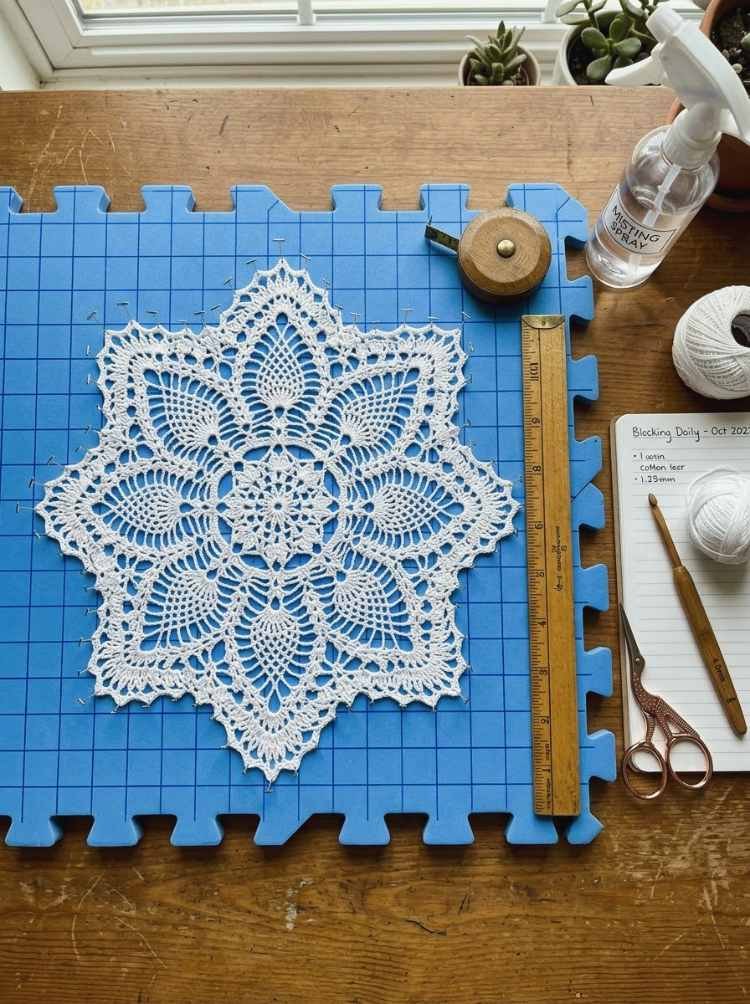
After unrolling your towel, lay your crochet project flat on foam blocking mats or a dry towel. Use your hands to smooth and pat the edges into your desired shape.
If you are working on an intricate lace pattern, rustproof pins will hold your stitches open while they dry.
When you want crochet snowflakes or doilies to stay crisp, stiffening makes all the difference. A simple mixture of boiled cornstarch and water creates a classic, washable stiffener for cotton thread.
For permanent items like decorative bowls, soaking the piece in equal parts white craft glue and water works wonders.
Keeping Your Crochet Safe in Storage
Always make sure your crochet pieces are completely clean and fully dry before you store them away. Store your garments neatly folded in drawers or baskets rather than hanging them on coat hangers.
Breathable cotton storage bags will keep dust away while protecting your favorite wools from curious critters.
Washing handmade crochet may feel like an extra chore, but your beautiful stitches are worth the care.
Taking these gentle steps ensures that your handmade creations remain soft, bright, and cozy for many years. What handmade project are you getting ready to wash today?